
The automotive industry demands precision, efficiency, and reliability at every stage of manufacturing and maintenance. From engine components and transmission systems to fuel injectors and brake parts, automotive components accumulate grease, carbon deposits, oil, dust, and metal particles during operation. Traditional cleaning methods often fail to remove contaminants from intricate surfaces and hard-to-reach areas.
An ultrasonic cleaning machine has transformed the way automotive professionals clean and maintain vehicle components. By utilizing high-frequency sound waves, ultrasonic cleaning technology delivers exceptional cleaning performance while reducing labor, chemical consumption, and downtime.
At hisashiultrasonic, we provide advanced ultrasonic cleaning solutions designed to meet the demanding requirements of automotive workshops, manufacturing facilities, and maintenance centers.
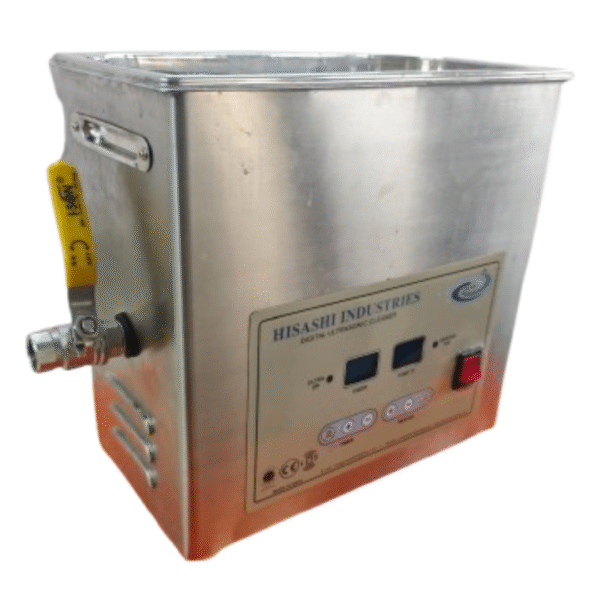
An ultrasonic cleaning machine is a specialized cleaning system that uses high-frequency sound waves to create microscopic bubbles in a cleaning solution. This process, known as cavitation, generates millions of tiny bubbles that collapse rapidly and release energy.
These microscopic implosions remove dirt, grease, carbon deposits, rust, oil, and other contaminants from automotive parts without damaging sensitive surfaces.
Unlike manual cleaning methods, ultrasonic cleaning reaches every corner, groove, cavity, and internal passage of a component, ensuring a thorough and consistent cleaning process.
The cleaning process begins when ultrasonic transducers generate high-frequency vibrations inside a tank filled with cleaning solution.
The process includes:
This advanced cleaning method produces outstanding results even on complex automotive components.
Automotive parts perform under extreme conditions. Over time, contaminants affect efficiency, performance, and durability.
Proper cleaning helps:
A clean component performs better and lasts longer, making cleaning an essential part of automotive maintenance and manufacturing.
Engine parts accumulate carbon, sludge, and oil deposits during operation.
Common engine components cleaned include:
Ultrasonic cleaning removes stubborn contamination without damaging precision surfaces.
Fuel injectors require accurate cleaning to maintain spray patterns and fuel delivery.
Ultrasonic cleaning effectively removes:
Clean injectors improve fuel efficiency and engine performance.
Carburetors contain multiple small passages that are difficult to clean manually.
An ultrasonic cleaning machine penetrates internal channels and removes deposits efficiently, restoring proper functionality.
Transmission systems contain gears, bearings, shafts, and housings that require thorough cleaning.
Ultrasonic cleaning removes:
Clean transmission parts contribute to smoother operation and longer service life.
Brake systems demand high cleanliness standards.
Automotive workshops use ultrasonic cleaning for:
The process removes grease and contaminants that may affect braking performance.
Turbochargers operate under extreme temperatures and pressures.
Ultrasonic cleaning removes:
This process helps restore efficiency and improve reliability.
Bearings and gears require precision cleaning before assembly and maintenance.
Ultrasonic technology removes contaminants from microscopic surface areas without causing wear or damage.
hisashiultrasonic delivers high-performance ultrasonic cleaning systems engineered for automotive applications.
Our solutions offer:
Whether you operate a small repair workshop or a large manufacturing facility, hisashiultrasonic provides equipment that helps improve productivity and cleaning quality.
The automotive industry continues to embrace automation and precision manufacturing.
Emerging trends include:
As vehicle technology becomes more sophisticated, ultrasonic cleaning will play an even greater role in maintenance and production processes.
Ultrasonic cleaning machines have become an essential tool for the automotive industry. They provide deep, consistent, and efficient cleaning for a wide range of vehicle components, including engine parts, fuel injectors, carburetors, transmission systems, brake assemblies, and turbochargers.
Compared with conventional cleaning methods, ultrasonic technology delivers superior results, reduces labor costs, improves productivity, and extends component life. Businesses that invest in advanced cleaning systems gain a significant advantage through improved operational efficiency and product quality.
hisashiultrasonic continues to support automotive manufacturers, service centers, and maintenance professionals with reliable ultrasonic cleaning solutions tailored to modern industry requirements. As automotive technology advances, ultrasonic cleaning remains one of the most effective and cost-efficient methods for maintaining precision, cleanliness, and performance.