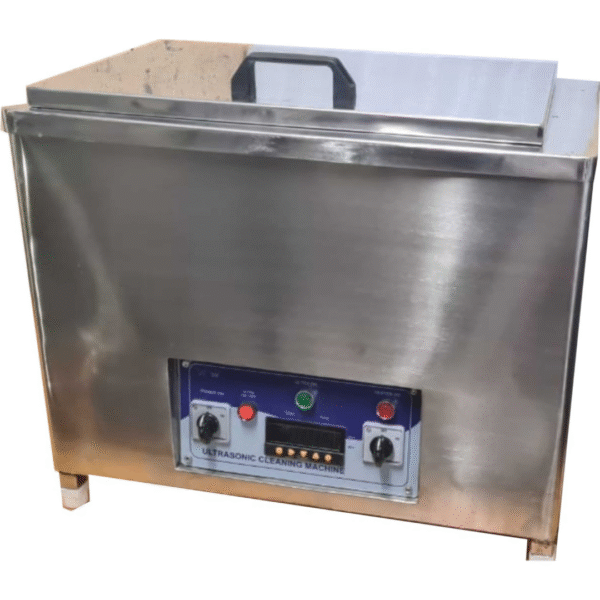
How an Ultrasonic Cleaner for CNC Components Enhances Machining Quality
In CNC machining, precision is not just about cutting accuracy, it also depends on how clean the final component is before inspection, finishing, or assembly. Even after machining, components often carry residual oils, coolant deposits, metal chips, and microscopic contaminants that are not visible to the naked eye. These impurities can directly impact surface finish, dimensional accuracy, coating adhesion, and long-term performance.
This is where an Ultrasonic Cleaner for CNC Components becomes a critical part of the manufacturing process. Instead of relying on manual cleaning or basic washing methods, modern industries are adopting ultrasonic cleaning systems to achieve deeper, more consistent, and reliable cleaning results. For manufacturers aiming to reduce rejection rates and improve product quality, ultrasonic cleaning is no longer optional—it is essential.
Understanding Ultrasonic Cleaning Technology
An Ultrasonic Cleaner works using high-frequency sound waves transmitted through a cleaning liquid. These waves create microscopic bubbles that rapidly expand and collapse, generating a cleaning action known as cavitation. This process removes contaminants from even the most complex areas of CNC components without causing any surface damage.
Unlike traditional cleaning methods, ultrasonic cleaning does not depend on physical contact. It can effectively clean internal channels, threads, grooves, and blind holes, ensuring that no residue is left behind. This makes it particularly valuable for CNC-machined parts where precision and cleanliness go hand in hand.
Why Cleaning Directly Impacts CNC Machining Quality
Cleaning plays a bigger role in machining quality than many manufacturers realize. When components are not properly cleaned, contaminants can interfere with measurement tools during inspection, leading to inaccurate readings. Residues can also affect coating, plating, or assembly processes, resulting in weak bonding or uneven finishes.
Using an Ultrasonic Cleaner for CNC Components ensures that parts are completely free from contaminants before moving to the next stage. Clean components improve inspection accuracy, enhance surface treatments, and reduce the risk of product failure. In high-precision industries, even a minor contamination issue can lead to rejection, making proper cleaning a crucial step.
How Ultrasonic Cleaning Enhances CNC Component Quality
Ultrasonic cleaning improves machining outcomes in a practical and measurable way. It ensures that complex geometries are cleaned thoroughly, something that manual cleaning cannot guarantee. The removal of even microscopic debris leads to better surface finishes and improved coating results.
Another important advantage is consistency. Ultrasonic systems deliver the same cleaning performance for every batch, eliminating variability caused by manual processes. This helps manufacturers maintain uniform quality standards across production.
Additionally, clean components make it easier to identify defects during inspection. Cracks, scratches, or machining errors become more visible when surfaces are free from oil and dust. This reduces the chances of defective parts moving forward in the production process.
Why Multistage Ultrasonic Cleaning is Better
While single-stage cleaning systems provide basic cleaning, modern manufacturing often requires a more advanced approach. This is where multistage ultrasonic cleaning systems offer a significant advantage.
Multistage systems typically include sequential processes such as cleaning, rinsing, and drying. Each stage is designed to remove specific types of contaminants, ensuring a more thorough cleaning process. One of the biggest benefits is the prevention of cross-contamination. In single-stage systems, contaminants removed from one component can remain in the same tank and affect others. Multistage systems eliminate this issue by separating each phase of the cleaning process.
Another key advantage is efficiency. By dividing the cleaning process into stages, manufacturers can achieve faster and more effective results without overexposing components to cleaning solutions. This improves both productivity and part safety.
Consistency is also significantly enhanced. Each stage operates under controlled conditions, ensuring repeatable results across batches. This is especially important for industries where even small variations can lead to quality issues.
Advanced Ultrasonic Cleaning Solutions for CNC Components
Modern manufacturing requires more than just cleaning, it requires controlled, repeatable, and adaptable processes. This is where solution providers like Hisashi Industries play an important role.
Hisashi Industries focuses on delivering multistage ultrasonic cleaning systems designed for industrial applications. These systems are equipped with advanced features such as temperature control, multiple cleaning stages, and configurable processes that align with different manufacturing requirements.
Customization is another important factor. CNC components vary in size, complexity, and material, and a one-size-fits-all approach often does not work. Hisashi Industries provides solutions that can be tailored based on part dimensions, contamination levels, and production volume, ensuring optimal performance in real-world conditions.
These systems are particularly suitable for high-precision industries such as automotive, aerospace, electronics, and engineering, where cleanliness directly impacts product quality and reliability.
Role of Ultrasonic Parts Washer India in Manufacturing Growth
The demand for an Ultrasonic Parts Washer India is growing rapidly as manufacturers aim to meet global quality standards. Ultrasonic cleaning technology helps Indian industries improve production efficiency while maintaining consistent quality.
By adopting advanced cleaning systems, manufacturers can reduce manual effort, improve turnaround time, and minimize rejection rates. This shift is helping businesses become more competitive in both domestic and international markets.
Best Practices for Effective Ultrasonic Cleaning
To get the best results from an ultrasonic cleaning system, it is important to follow proper operational practices. Using the correct cleaning solution ensures effective contaminant removal without affecting the component material. Maintaining the right temperature enhances cavitation efficiency and improves cleaning performance.
It is also important to avoid overcrowding the cleaning tank, as this can reduce effectiveness. Regular maintenance of the system ensures consistent performance and long-term reliability. Following these practices helps maximize the benefits of an Ultrasonic Cleaner in CNC applications.
Frequently Asked Questions
- What is an Ultrasonic Cleaner for CNC Components?
It is a cleaning system that uses ultrasonic waves to remove contaminants from CNC-machined parts, ensuring deep and uniform cleaning. - Why is multistage ultrasonic cleaning important?
It prevents cross-contamination, improves cleaning efficiency, and ensures consistent results across batches. - Can ultrasonic cleaning damage precision parts?
No, when used with proper settings, it is a safe and non-destructive cleaning method. - What industries benefit from ultrasonic cleaning systems?
Automotive, aerospace, electronics, and precision engineering industries benefit the most.
5. How do I choose the right ultrasonic cleaning solution?
It depends on part size, contamination type, production volume, and required level of precision.
Conclusion
An Ultrasonic Cleaner for CNC Components is a key factor in improving machining quality. By ensuring deep, consistent, and controlled cleaning, it helps manufacturers achieve better surface finishes, accurate inspections, and reliable product performance.
For businesses facing quality issues, high rejection rates, or inconsistent cleaning results, upgrading to advanced ultrasonic cleaning systems can make a significant difference. Modern multistage systems with customization and process control offer a more efficient and reliable solution compared to traditional methods.
Contact Us
If you are experiencing quality challenges in CNC machining or looking to improve cleaning efficiency in your production process, it may be time to upgrade your cleaning approach. Contact Us at Hisashi Industries to explore advanced ultrasonic cleaning solutions tailored to your requirements.
Their team can help you understand system configurations, multistage setups, and customization options that align with your manufacturing needs. Upgrading to the right ultrasonic cleaning system can help you reduce rejection rates, improve consistency, and achieve higher production standards.