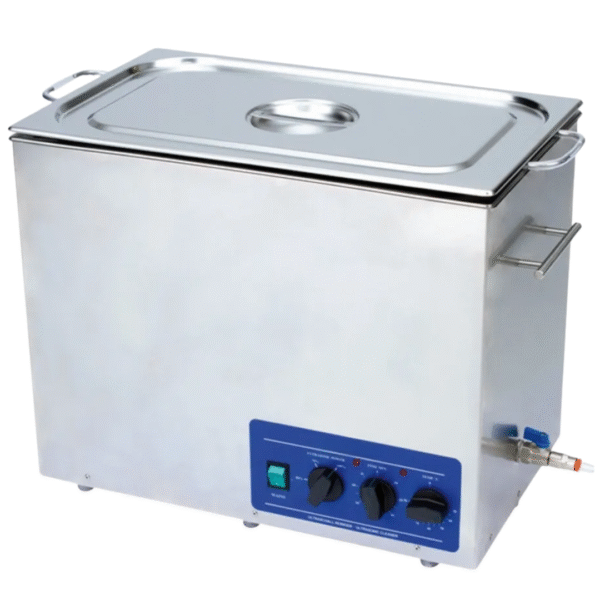
Ultrasonic Cleaning Machine Manufacturer in India: Complete Buyer’s Guide
Industrial manufacturing today depends heavily on precision, consistency, and quality control. Whether it is automotive parts, CNC-machined components, medical instruments, aerospace assemblies, or electronic components, cleanliness directly impacts product performance and production reliability. Even microscopic contamination such as oil residue, coolant deposits, polishing compounds, or metal particles can lead to coating failures, assembly problems, or rejection during inspection.
This growing demand for precision cleaning has increased the need for advanced ultrasonic cleaning systems across industries. Manufacturers are now moving away from manual washing and conventional degreasing methods toward automated ultrasonic technology that offers deeper cleaning and more consistent results.
If you are planning to Buy Industrial Ultrasonic Cleaner systems for your manufacturing process, understanding the right technology, features, and supplier capabilities is essential. This complete buyer’s guide explains what to consider before investing in an ultrasonic cleaning solution and how modern systems improve industrial cleaning performance.
Understanding Ultrasonic Cleaning Technology
Ultrasonic cleaning works through a process called cavitation. High-frequency sound waves pass through a cleaning liquid and generate microscopic bubbles. These bubbles rapidly collapse near the surface of industrial components, removing contaminants from areas that are difficult to clean manually.
An ultrasonic cleaning system can effectively remove:
- Oil and grease
- Carbon deposits
- Machining coolant residue
- Metal chips and dust
- Polishing compounds
Unlike manual cleaning methods, ultrasonic cleaning reaches blind holes, grooves, internal channels, and intricate surfaces without damaging the component.
This makes ultrasonic systems highly suitable for precision manufacturing industries.
Why Industries Prefer Industrial Ultrasonic Cleaning Systems
Many industries face recurring cleaning-related problems that affect production quality. Manual cleaning often leads to inconsistency because cleaning quality depends on operator handling. Conventional washing methods may also struggle with complex geometries and internal cavities.
Modern ultrasonic systems help manufacturers:
- Improve cleaning consistency
- Reduce rejection rates
- Lower labor dependency
- Increase production efficiency
- Improve coating and plating results
- Achieve better inspection accuracy
For industries where quality standards are critical, ultrasonic cleaning becomes an important process improvement tool.
Types of Ultrasonic Cleaning Systems Available
Before selecting a system, manufacturers should understand the different categories of ultrasonic cleaning machines available in the market.
Industrial Ultrasonic Degreasing Machine
An Industrial Ultrasonic Degreasing Machine is designed to remove oil, grease, and heavy contaminants from industrial components. These systems are commonly used in automotive, engineering, aerospace, and fabrication industries.
Degreasing systems often include heated tanks, filtration systems, and multiple cleaning stages for improved cleaning performance.
Fully Automatic Ultrasonic Cleaning Plant
A Fully Automatic Ultrasonic Cleaning Plant is suitable for high-volume manufacturing operations where automation and repeatability are essential. These systems integrate cleaning, rinsing, drying, and automated material handling into a single workflow.
Fully automatic plants help reduce manual intervention while improving throughput and cleaning consistency.
Multistage Ultrasonic Cleaning Systems
Multistage systems separate cleaning processes into dedicated stages such as ultrasonic cleaning, rinsing, secondary rinsing, rust prevention, and drying. This approach prevents cross-contamination and improves final cleaning quality.
Important Factors to Consider Before You Buy Industrial Ultrasonic Cleaner Systems
Selecting the right ultrasonic cleaning machine requires more than just comparing prices. Manufacturers should evaluate the complete process requirement before making a decision.
Component Type and Size
The size, material, and complexity of components directly affect system selection. Small precision parts require different cleaning parameters compared to heavy industrial components.
Contamination Type
Oil, grease, carbon deposits, polishing compounds, and metal chips may require different cleaning frequencies, temperatures, and cleaning chemistry.
Production Volume
Manufacturers with high daily throughput often benefit from automated or fully automatic systems instead of manual loading setups.
Cleaning Frequency Selection
Ultrasonic frequency selection is critical for cleaning performance.
25kHz Frequency
25kHz systems provide aggressive cleaning action and are suitable for:
- Heavy industrial components
- Automotive parts
- Carbon and grease removal
40kHz Frequency
40kHz systems produce finer cavitation and are ideal for:
- Precision components
- Electronics
- Medical devices
- Delicate machined parts
Automation and PLC Controls
Modern industries increasingly prefer PLC-controlled systems that provide:
- Repeatable cleaning cycles
- Better process consistency
- Reduced operator dependency
- Easier production integration
Why Multistage Ultrasonic Cleaning Systems Are Better
Single-stage cleaning systems may remove visible contamination, but they often allow contaminants to remain suspended within the same tank. This increases the risk of cross-contamination.
Multistage systems solve this problem by separating cleaning stages.
A typical setup may include:
- Ultrasonic cleaning
- Primary rinse
- Secondary rinse
- Rust prevention treatment
- Hot air drying
This structure improves cleaning consistency and ensures components move through a controlled process before final inspection or assembly.
Manufacturers dealing with coating failures, assembly contamination, or rejection issues often see significant improvements after upgrading to multistage systems.
Advanced Features in Modern Ultrasonic Cleaning Machines
Industrial ultrasonic cleaning technology has evolved significantly in recent years. Modern systems now include advanced features designed to improve productivity and process reliability.
IoT-Enabled Monitoring
Some advanced systems offer IoT-enabled ultrasonic generators for real-time monitoring, maintenance tracking, and operational diagnostics.
Temperature-Controlled Cleaning
Heating systems improve chemical effectiveness and increase degreasing efficiency.
Automated Basket Transfer Systems
Automatic transfer systems reduce manual handling and improve process speed.
Integrated Drying Systems
Drying stages help remove moisture completely before components move to packaging or assembly.
Customization Capability
Different industries require different cleaning approaches. Customized tank sizes, basket configurations, and cleaning layouts help optimize production workflows.
Why Hisashi Industries Is a Reliable Ultrasonic Cleaning Solution Provider
When investing in ultrasonic cleaning technology, selecting the right manufacturer is just as important as selecting the machine itself.
Hisashi Industries focuses on industrial ultrasonic cleaning solutions designed around practical manufacturing challenges. Instead of offering generic machines, the company works on application-based solutions aligned with component type, production volume, and contamination requirements.
Their systems are suitable for industries such as:
- Automotive manufacturing
- Aerospace engineering
- CNC machining
- Electronics manufacturing
- Medical equipment production
- Precision engineering
The focus on multistage cleaning, automation, PLC controls, customization, and process optimization helps manufacturers improve cleaning quality while increasing operational efficiency.
Frequently Asked Questions (FAQs)
- What is an Industrial Ultrasonic Degreasing Machine?
It is a cleaning system that uses ultrasonic cavitation technology to remove oil, grease, and contaminants from industrial parts.
- Why should manufacturers buy industrial ultrasonic cleaner systems?
These systems improve cleaning consistency, reduce rejection rates, increase production efficiency, and support precision manufacturing standards.
- What is the advantage of a Fully Automatic Ultrasonic Cleaning Plant?
Fully automatic systems reduce manual handling, improve throughput, and provide repeatable cleaning quality across production batches.
- Which ultrasonic frequency is better: 25kHz or 40kHz?
25kHz is better for heavy contaminants and industrial parts, while 40kHz is ideal for delicate precision components.
- Can ultrasonic cleaning systems be customized?
Yes, systems can be customized based on component type, production volume, automation requirements, and cleaning stages.
Conclusion
Choosing the right ultrasonic cleaning solution is an important decision for any manufacturing operation focused on quality and efficiency. Whether you need an Industrial Ultrasonic Degreasing Machine, a Fully Automatic Ultrasonic Cleaning Plant, or a customized multistage cleaning setup, the right system can significantly improve production performance and reduce contamination-related issues.
Manufacturers planning to Buy Industrial Ultrasonic Cleaner systems should focus not only on equipment specifications but also on process compatibility, automation capability, and long-term operational reliability.
Contact Us
If your production process is facing cleaning inconsistency, contamination issues, coating failures, or rising rejection rates, upgrading to an advanced ultrasonic cleaning solution can make a significant difference.
Contact Us at Hisashi Industries to discuss your industrial cleaning requirements and explore the most suitable ultrasonic cleaning solution for your manufacturing process.
Their team can help you evaluate:
- Multistage ultrasonic cleaning systems
- PLC-controlled automation
- Fully automatic ultrasonic cleaning plants
- Industrial degreasing solutions
- Customized cleaning setups for specific components
You can also discuss your component cleaning challenges or send sample parts for cleaning evaluation to identify the right ultrasonic cleaning approach for your application.